Research

What evidence turns a mobile home park utility outage report into a useful research record?

A research method for separating resident reports, utility notices, work orders, and restoration claims in manufactured-housing operations.

MobileHomeBiz Research Desk9 minutes read5 sources citedVerified 2026-08-19
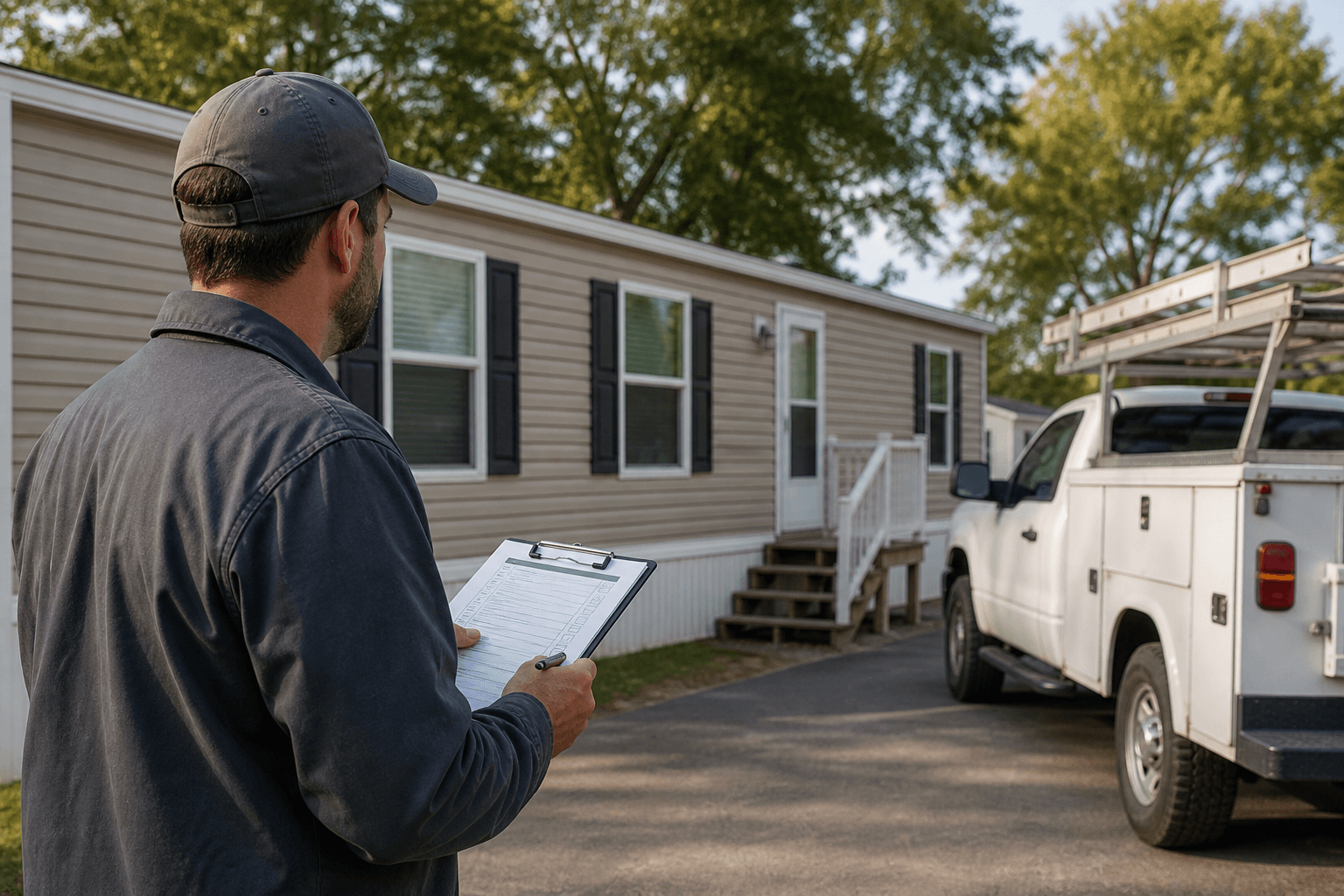
What evidence turns a mobile home park utility outage report into a useful research record? research illustration
Key finding: An outage map reports service conditions at a defined time and geography

Key takeaways

  • An outage report is an event record, not a complete diagnosis
  • Preserve timestamps and source identity
  • Route safety and utility decisions to the right authority

Research question

When a resident reports that a manufactured home park has lost power, water, sewer, or another utility, what evidence is needed before an operator describes the event as widespread, resolved, or caused by a particular failure? The answer is not a longer message. It is a clearer chain of timestamps, sources, affected locations, actions, and decisions.

Utility incidents combine resident communication, property operations, public infrastructure, vendor coordination, and safety boundaries. A map or public notice can provide context, but it cannot confirm the condition inside a home. A work order can show that someone was dispatched, but it does not prove restoration. This research brief studies how to keep those claims distinct.

Evidence base and methodology

The source set includes the Department of Energy's grid modernization materials, FEMA's power outage safety guidance, the CDC's water-related emergency guidance, the EPA's water utility resilience resources, and the National Weather Service's hazard safety guidance. These sources establish public context for outage communication, safety, and utility resilience. They do not measure one park.

I separated the research into four evidence types: first-person report, external status, property action, and resolution confirmation. The article's recommendations are analysis based on that separation. The scope excludes diagnosis of electrical, gas, plumbing, sewer, or drinking-water systems. If a report creates a safety concern, the appropriate utility, emergency service, licensed professional, or owner must make the operational decision.

The four records that should not be merged

The first is the originating report. Record who or what channel reported the issue, when it was received, the affected home or common area, the symptom in the reporter's own terms, and any immediate safety concern. “No power” is a useful report. “Transformer failure” is a conclusion unless a qualified source has said so.

The second is the external status. Save a utility notice, outage map reference, weather alert, or other public source with its access time and coverage area. These sources may be delayed, generalized, or limited to a utility's reporting system. A public map can help determine whether a resident report aligns with a broader event; it cannot establish that every home is affected.

The third is the property action. This can include a work-order number, vendor contact, shutoff or access note, common-area inspection, or owner instruction. It records what the team did, not what the utility ultimately restored. Keep private resident information in the approved system and share only what the recipient needs.

The fourth is confirmation. Restoration should be tied to a credible confirmation source and time. That might be a utility update, a professional report, a common-area check, or resident confirmation, depending on the claim. One resident confirming power in one home does not establish restoration across the park. A utility status saying “restored” does not establish that a private panel or home connection is safe.

Turning evidence into a decision-ready brief

Begin with an event ID and a narrow statement: “Reports received about loss of power in an identified area beginning at a stated time.” Add a table or structured note with source, timestamp, geography, claim, confidence, next action, and owner. Use “reported,” “shown by source,” “dispatched,” and “confirmed” as different verbs. This vocabulary makes uncertainty visible.

Next, compare reports by time and location. If several homes report the same symptom, the pattern may justify contacting the utility or owner. It still does not identify the cause. If only one home reports the problem, the local record may need a different route. If the issue involves water quality, gas, smoke, exposed wiring, sewage, flooding, extreme heat or cold, or another immediate hazard, the communication should direct the person to the appropriate emergency or utility authority rather than asking an assistant to troubleshoot.

For daily operations, a virtual assistant can maintain the event log, attach public notices, deduplicate reports, flag missing timestamps, and prepare a neutral update for approval. The assistant should not promise a restoration time, diagnose a failure, advise unsafe entry, or represent that a utility has accepted responsibility. The owner or qualified professional should decide the remedy and the language of any final notice.

The same record should preserve the communication audience and channel. A resident-facing notice may need a plain statement of the known service area, the time of the last update, the safe source for further instructions, and the next update time. An owner note may include the open work order and unresolved evidence gap. Keeping these versions linked but not identical reduces the chance that an internal hypothesis is copied into a public message. It also gives the next researcher a clear reason for each update rather than a chain of unsupported status changes.

Limitations and conclusion

Outage maps and public notices vary in refresh rate, geography, definitions, and completeness. Resident reports may be urgent but partial. Work orders can be open while service is restored, or closed while a separate issue remains. Water, electrical, gas, and sewer events have different technical and public-health implications. This article does not replace emergency guidance, utility instructions, or professional assessment.

The evidence-led conclusion is that an outage record becomes trustworthy when it keeps report, external status, property action, and confirmation separate. MobileHomeBiz can support a better routine by preserving source identity and timestamps, using cautious verbs, and escalating safety or technical decisions. The resulting communication is more useful precisely because it says what is known, what is only reported, and who owns the next answer.